Is It Onset Skin Cancer? Why Your Skin Is Altering & Medical Next Actions Ubie Doctor's Note
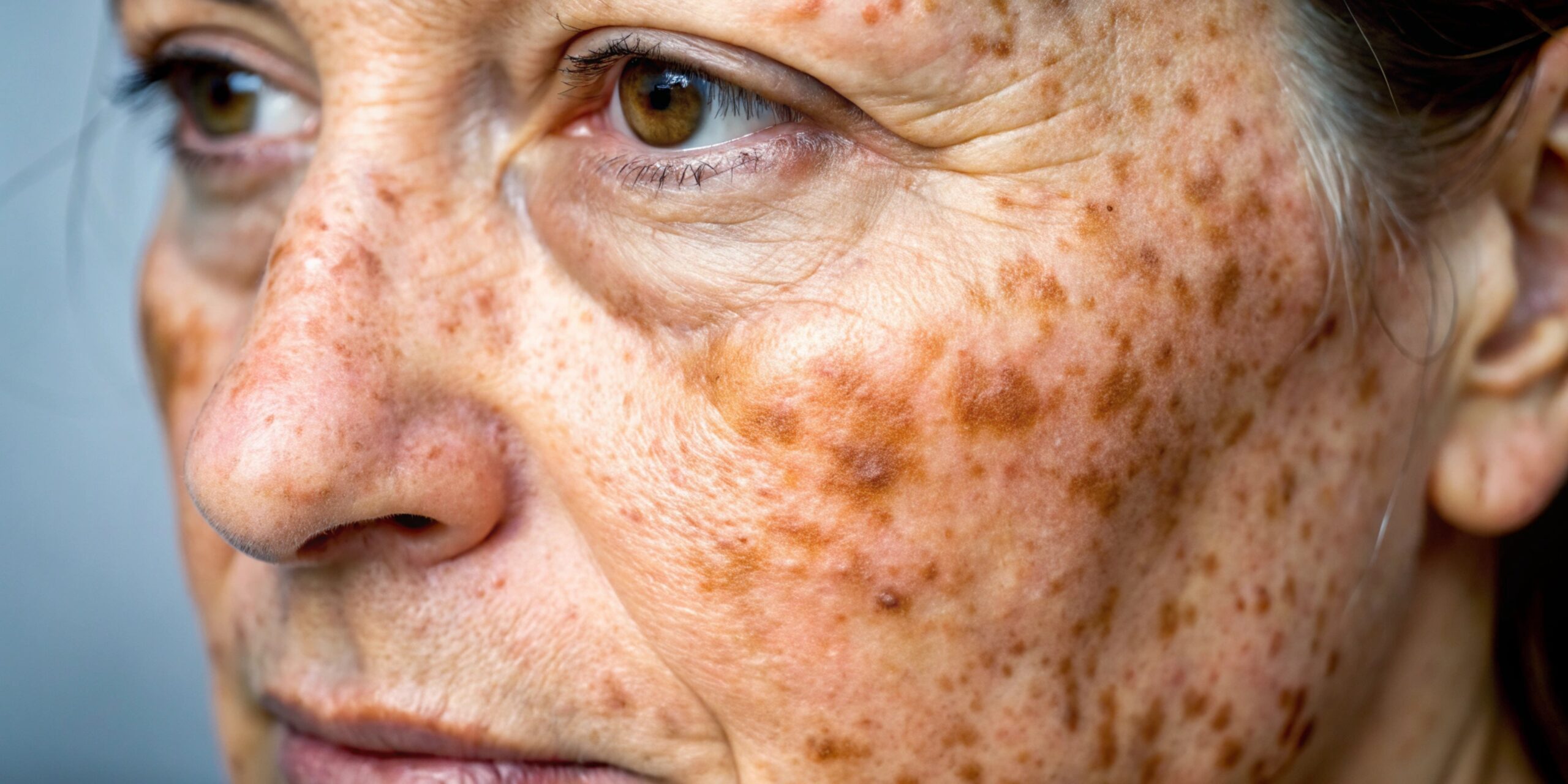
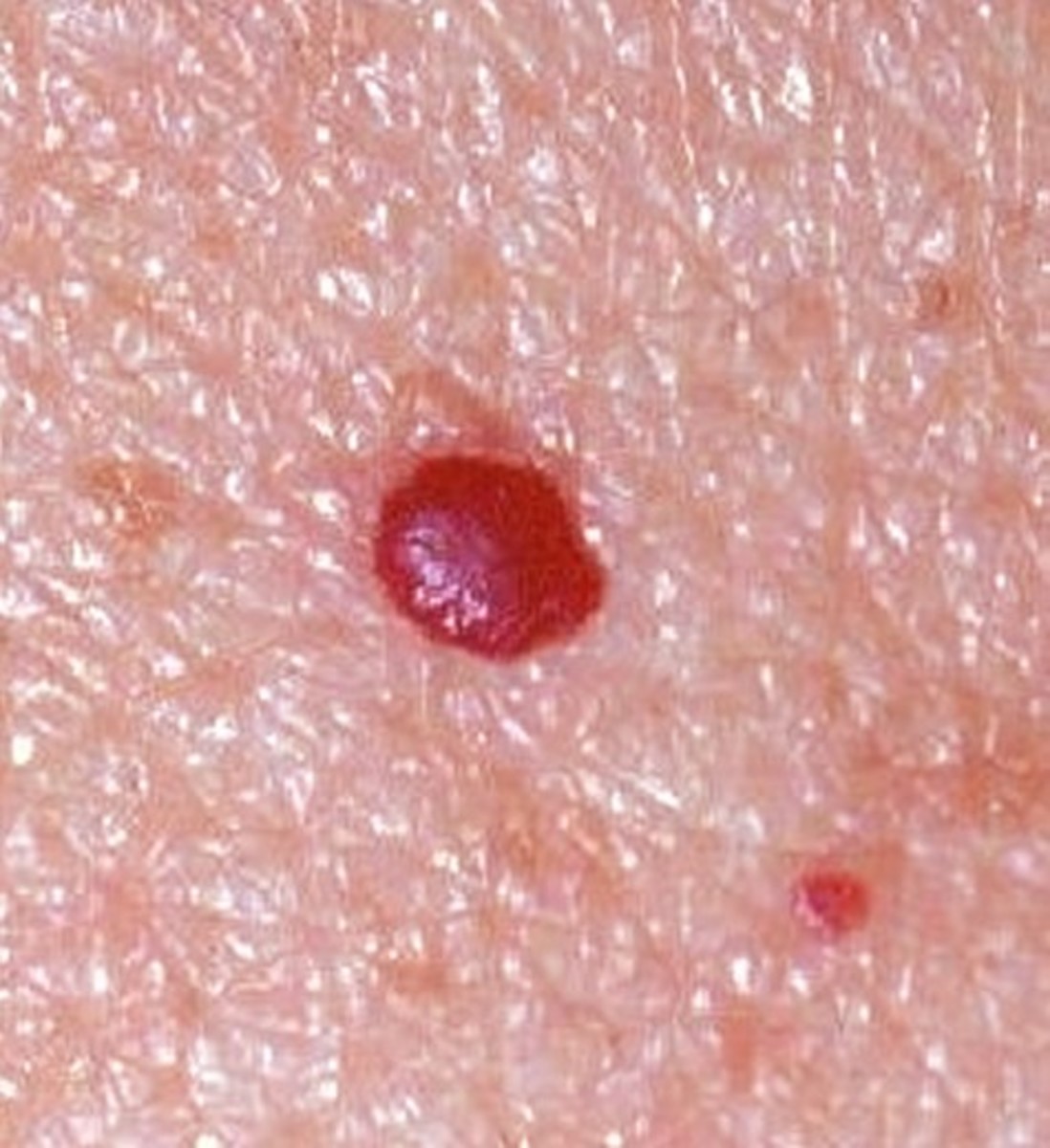
Skin Cancer Photos What Does Skin Cancer Look Like? American Cancer Cells Culture Most people with irregular moles also have much more typical moles than common. They are really comparable to melanoma, however it frequently takes a doctor to differentiate the difference. While not all dysplastic nevi are malignant moles, they can come to be cancerous. That's why it is very important to keep an eye on atypical moles. If skin cancer is an issue for you, start with downloading our Skin Cancer cells Self-Exam Checklist.
What do cancerous sores seem like?
Although skin cancer lesions might hemorrhage, impulse, or create pain, numerous cancerous tumors trigger no irregular sensations in any way. This is why it''s so vital to know the early indicators of skin cancer cells and routine normal testings & #x 2014; particularly if you' have actually seen a brand-new, unusual growth on your skin.
Indications Of Skin Cancer
If you discover any one of these indicators, it is very important to arrange an appointment with a skin doctor as soon as possible. This might hold true with a mole that shows up suddenly, bleeds, or modifications look quickly. Skin moles that are scratchy, tender, or unpleasant to the touch can additionally be bothersome. A cancerous mole that causes melanoma, or skin cancer cells, can be extremely dangerous. Cancer malignancy is the most typical kind of cancer in the U.S. according to the CDC. Benign moles normally have smooth, also borders that are plainly specified. Uneven, notched, or scalloped sides on a mole or skin growth could indicate potential skin cancer cells. The initial indicator of cancer malignancy in a mole is usually an Quick Recovery adjustment in the size, form, or color of an existing mole, or the look of a brand-new mole. While many moles are harmless, it's necessary to check them for any changes that might suggest a problem. Premalignant skin sores are abnormal growths that are not yet cancerous however have the possible to develop into skin cancer in time if left without treatment. Early recognition and therapy are vital to preventing progression.
Protecting your skin is the best way to lower your threat of skin cancer.
Benign moles generally have an uniform shade, such as brown or black, while skin cancer cells sores might show multiple colors, including shades of brownish, black, red, white, or blue.
Screen any spot that exceeds this dimension limit or a smaller mole that begins proliferating.
Yearly extensive skin evaluations are generally advised for all adult people, with specific emphasis on people over 45 or those with elevated skin cancer danger factors.
Lots of people have some type of skin marks, such as blemishes and moles.
Melanoma is commonly considered one of the most hazardous type of skin cancer due to its capability to spread rapidly to other components of the body.
Unlike the benign developments formerly talked about, actinic keratoses comprise precancerous sores that demand immediate expert clinical attention and therapy intervention. These flaky, rough-textured locations remain relentless for two months or longer without resolution, in spite of consistent application of moisturizing items. Skin tags, clinically called acrochordons, are defined as soft, flesh-colored growths that primarily emerge in locations where skin surface areas touch, including the neck region and underarms. These benign developments frequently develop with age and might establish more frequently throughout periods of considerable weight variation. Certain lesions might show up individually, while others tend to cluster or show up in numerous locations across numerous body regions. Rough, sandpaper-like patches on sun-exposed skin might be actinic keratosis (AK). These are not cancer cells yet, yet they are considered precancerous. Although yearly skin exams are necessary for all grown-up patients, it is especially vital for those over 45 or those possessing elevated skin cancer risk aspects. These thorough assessments also allow your skin doctor to track existing growths and discover brand-new lesions during their earliest, most treatable phases. New skin developments frequently create as an outcome of sunlight exposure over time, household history, hormone impacts, and the all-natural procedures that impact our skin. These developments can set https://rentry.co/byhw376d off stress and anxiety, specifically when you doubt whether these changes stand for regular aging or indicators of a much more major health and wellness worry. Throughout a dermatological consultation, your carrier will diligently analyze any type of worrying lesions utilizing specialized magnification tools and advanced analysis methods. They may utilize dermoscopy, a pain-free examination approach that permits them to obtain a far better view of skin frameworks that are unseen throughout standard visual evaluation. Such scenarios can result in sudden, extreme pain that might necessitate timely expert removal. This skin cancer cells picture gallery is supported partly by Regeneron. If you have a sore that is changing, annoying, or merely something you would certainly such as assessed, seeking professional guidance is the most effective initial step in the direction of a secure and successful lesion elimination.
Moles And Various Other Benign Skin Developments
Systemic health and wellness concerns and autoimmune conditions like psoriasis can trigger signs and symptoms that impact the skin. Modifications like age, rising and fall hormones, and physical toxic irritants like rubbing chafing can contribute to the growth of some lesions. A lot of us understand that way too much sunlight exposure can bring about cancer malignancy. They might be colored or flesh-toned, and they differ in size, form, and appearance. Some skin sores, such as hives or responses to pest attacks, are temporary. Usual verrucas and plantar blemishes (verrucas) are benign but originated from the human papilloma virus (HPV). Other kinds have a hereditary or developmental origin.The growth of lots of moles (nevi) along with lipomas (fatty swellings) reveals familial patterns and starts throughout early life phases. A melanoma is a kind of skin cancer that creates in the cells (melanocytes) that create the pigment that provides color to your skin, hair and eyes. The lumps generally contain melanin which makes them dark in color but sometimes, they can be free of any pigment.